
There’s a reason stone surfaces continue to dominate modern kitchen design, even as trends constantly shift around them.
People may experiment with cabinet colours, lighting styles, or open shelving ideas, but when it comes to worktops, many still return to stone. Not necessarily because it feels luxurious - although it often does - but because it tends to make practical sense over the long run.
A kitchen gets used hard. Probably more than any other room in the house.
Worktops absorb most of that daily wear. Hot pans get dropped too quickly. Coffee spills become routine. Chopping, cleaning, children doing homework, and takeaway containers stacked everywhere on a Friday evening. The surface ends up carrying far more than people expect.
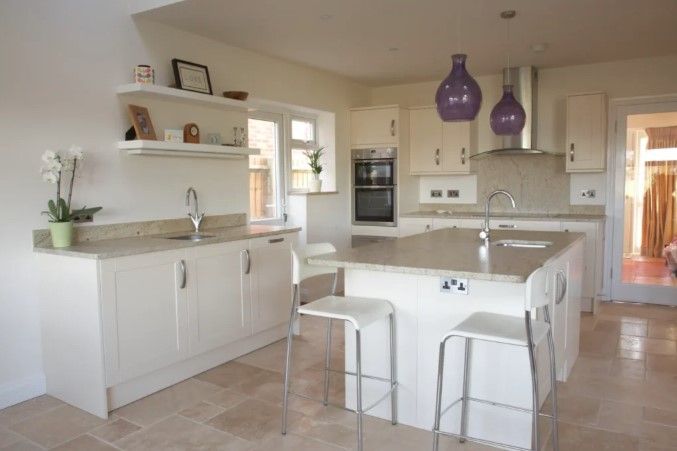
That’s partly why a stone kitchen worktop still appeals to homeowners who want something durable without compromising on appearance.
Kitchens Are Being Designed More Carefully
There’s been a noticeable shift in how people approach kitchens over the past few years.
Not long ago, many renovations chased trends quite aggressively. Gloss cabinets, ultra-minimal finishes and highly polished surfaces became the default look for a while. Some still work well, but many now feel tied to a particular era.
Homeowners seem more cautious these days.
Instead of building kitchens around trends, they’re thinking more about longevity - both practically and visually. They want spaces that still feel comfortable in ten years rather than something that photographs well for six months.
Stone fits naturally into that mindset.
It tends to sit quietly in a space rather than demanding attention. Even bolder veining or darker finishes generally age well compared to heavily trend-led materials.
There’s also a tactile quality to stone that’s difficult to fake. The weight, texture and subtle imperfections often make kitchens feel more grounded and lived-in.
That matters more than people realise.
The Real Appeal of Stone Surfaces
Durability is usually the obvious selling point, but it’s not the only reason people choose stone.
Maintenance plays a major role, too.
Most homeowners don’t want surfaces that require constant upkeep or special treatment. Quartz, in particular, has become popular across UK homes because it’s relatively low-maintenance while still offering the appearance of natural stone.
It handles everyday use well and doesn’t require sealing in the same way some natural materials do.
Granite remains a strong option for people who prefer more individuality. Since every slab is naturally formed, there’s variation in colour, pattern and movement that engineered materials can’t entirely replicate.
Porcelain has entered the conversation more seriously in recent years, too. Slim profiles, heat resistance and modern finishes have made it especially attractive in contemporary kitchens.
The interesting thing is that homeowners are becoming more informed about these differences. They’re asking better questions now - not simply which surface looks nicest in a showroom.
They want to know how it behaves after five years of use.
Quartz, Granite or Porcelain - What Suits Your Home?
There isn’t really a universal “best” material. It depends heavily on the household itself.
A busy family kitchen might benefit from the consistency and resilience of quartz. Someone designing a more architectural space may prefer the natural movement found in granite or marble-inspired porcelain.
The layout of the kitchen matters too.
Large islands, waterfall edges and full-height splashbacks can all change how a material performs visually. A subtle sample viewed under showroom lighting rarely tells the full story.
That’s why experienced suppliers often encourage homeowners to view full slabs before making a final decision.
You notice details differently at scale - veining direction, tonal variation, texture and how light interacts with the surface throughout the day.
For anyone exploring different stone finishes and layouts, this kitchen worktop inspiration page from Coulon Stone gives a fairly realistic look at how various materials translate into completed homes rather than staged displays.
Why Workmanship Matters as Much as the Material
One thing people occasionally underestimate is installation quality.
Even expensive stone can look disappointing if fabrication is rushed or poorly handled. Uneven joins, awkward seams and badly finished edges stand out immediately once the kitchen is complete.
Good craftsmanship tends to be subtle. You notice it more through what isn’t obvious.
Well-positioned joins. Clean edge profiles. Consistent polishing. Thoughtful alignment of veining across surfaces.
These details become especially important in open-plan homes where the kitchen acts as part of the main living space rather than a separate room.
There’s also a practical side to proper installation. Stone is heavy, and precision matters. Accurate templating and fitting help prevent stress points, movement and long-term issues.
The material itself is only part of the final result.
Timeless Kitchens Are Replacing Trend-Led Spaces
A lot of homeowners now seem slightly weary of overly designed kitchens.
The ultra-showroom aesthetic has lost some appeal. People want kitchens that feel comfortable to live in rather than permanently staged.
That’s probably why warmer tones, textured finishes and natural materials are becoming more common again.
Stone works particularly well within that softer approach to design. Lighter quartz surfaces paired with timber cabinetry. Honed stone finishes instead of high gloss. Muted colours rather than sharp contrasts.
The overall effect feels calmer.
And while trends will continue changing - they always do - stone tends to adapt surprisingly well because it doesn’t rely on novelty.
Is a Stone Kitchen Worktop Worth the Cost?
For many homeowners, it probably is.
Not because it instantly transforms a kitchen into something luxurious, but because it tends to hold up better over time than cheaper alternatives.
Worktops are one of the few surfaces people interact with constantly every single day. Wear becomes noticeable quickly when materials aren’t particularly durable.
Stone also carries a certain permanence that buyers tend to recognise when viewing homes. Estate agents often talk about kitchens being one of the biggest emotional selling points during viewings, and quality surfaces contribute to that impression more than people sometimes expect.
Of course, budgets matter. Stone isn’t always the cheapest route upfront.
But replacing damaged or dated surfaces a few years later often proves more expensive than choosing carefully the first time around.
Final Thoughts
A stone kitchen worktop remains popular for fairly straightforward reasons. It works hard, lasts well and generally ages gracefully within modern homes.
More importantly, it suits the way people now want kitchens to feel - practical, comfortable and built to last rather than driven entirely by trends.
That balance is difficult to achieve with many materials.
And while styles will continue evolving, stone surfaces seem likely to remain part of British kitchen design for a long time yet.
FAQ
What is the most durable type of stone kitchen worktop?
Quartz is widely considered one of the most durable options for everyday family kitchens because it resists stains and scratches well.
Do stone worktops increase property value?
High-quality kitchens often improve buyer perception, and stone worktops can contribute positively to the overall appeal of a property.
Are granite worktops difficult to maintain?
Granite is relatively straightforward to maintain but may require occasional sealing depending on the finish and usage.
Is porcelain better than quartz?
They suit different needs. Porcelain offers strong heat resistance and slim modern profiles, while quartz is valued for consistency and lower maintenance.
How long does a stone kitchen worktop last?
With proper installation and care, stone worktops can last for decades without losing their visual appeal or structural quality.