
Kitchen trends come and go.
One year, it's glossy surfaces and minimalist finishes. Next, it's bold colours and statement materials. Yet some choices seem to remain relevant regardless of changing fashions. Natural stone is one of them.
Among the many materials available, the limestone worktop occupies a unique position. It offers a softer, more organic aesthetic than granite and often feels warmer and more characterful than engineered alternatives. For homeowners seeking a kitchen that feels both elegant and lived-in, limestone continues to attract attention.
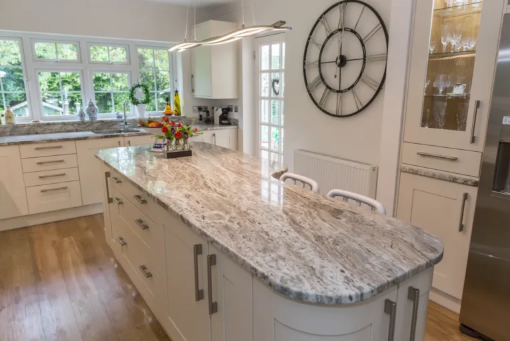
Its appeal extends beyond appearance. Limestone brings a sense of permanence to a space, creating interiors that feel grounded rather than trend-driven.
The Enduring Appeal of a Limestone Worktop
There is something inherently timeless about limestone.
Formed over millions of years, each slab carries subtle variations in texture, fossil markings and tonal shifts. No two pieces are exactly alike, which gives every installation a distinctive character.
A limestone worktop often suits homeowners who prefer understated design. Rather than dominating a room, it tends to complement its surroundings, creating a calm and balanced environment.
This natural quality explains why limestone has been used in architecture and interior design for centuries. From historic country houses to contemporary urban homes, it continues to feel relevant without appearing dated.
Its beauty lies in its restraint.
Why Homeowners Are Choosing Natural Materials Again
Many homeowners are moving away from interiors that feel overly manufactured.
There is growing appreciation for materials that age gracefully and develop character over time. Timber, natural stone and handcrafted finishes are increasingly valued because they introduce authenticity into living spaces.
A limestone worktop reflects this shift perfectly.
Minor marks and subtle wear often become part of the stone's story rather than flaws that need disguising. For some homeowners, this evolving appearance is one of limestone's most attractive qualities.
The trend is particularly noticeable in kitchens designed to feel welcoming rather than clinical. Soft neutral palettes, natural textures and tactile surfaces create spaces where people genuinely enjoy spending time.
Stone plays a significant role in achieving that atmosphere.
Limestone Worktop Design Versatility
One reason limestone remains popular is its versatility.
Its natural colour palette typically includes warm creams, soft greys, muted beiges and gentle earthy tones. These shades work comfortably within a wide range of interior styles.
In traditional kitchens, limestone pairs beautifully with painted cabinetry, timber beams and classic detailing.
In contemporary settings, it provides a softer contrast to sleek cabinetry and minimalist layouts.
Designers often favour limestone because it can act as a subtle backdrop while allowing other features to shine. Statement lighting, bespoke joinery or architectural details can take centre stage without competing with the worktop surface.
Those exploring natural stone options often find inspiration from specialist suppliers such as Coulon Stone, whose collections showcase the variety and character available within different limestone selections.
How Limestone Floor Tiles Complement Stone Worktops
Creating visual harmony within a kitchen often comes down to material choices.
A well-designed space rarely relies on a single standout feature. Instead, the various elements work together to create balance.
This is where limestone floor tiles can play an important role.
When paired thoughtfully with a limestone worktop, they help establish continuity throughout the room. The result feels cohesive rather than overly coordinated.
Many designers choose complementary tones rather than exact matches. Slight variation between flooring and work surfaces introduces depth while maintaining a consistent natural aesthetic.
The combination is particularly effective in open-plan kitchens where flooring extends into dining or living areas. Limestone floor tiles can help create a seamless flow between zones, making larger spaces feel connected.
The effect is subtle but often transformative.
Practical Considerations Before Installation
Like any natural material, limestone requires thoughtful consideration before installation.
It is generally softer than granite and some engineered surfaces. This means it may be more susceptible to scratches, etching and staining if not properly protected.
That does not necessarily make it unsuitable for busy kitchens.
Many homeowners happily accept these characteristics as part of limestone's natural charm. The key is understanding how the material behaves and ensuring it aligns with your lifestyle.
Families who enjoy cooking regularly often find that a properly sealed limestone worktop performs very well. Routine care becomes part of ownership, much like maintaining solid wood furniture.
Professional installation is equally important.
The quality of fabrication, sealing and fitting can significantly influence both appearance and longevity.
Maintenance: What Owners Should Know
One of the most common questions surrounding limestone concerns maintenance.
Fortunately, caring for limestone is generally straightforward.
Regular cleaning with pH-neutral products is usually sufficient for day-to-day upkeep. Harsh chemical cleaners should be avoided, as they can damage the stone's surface.
Spills are best cleaned promptly, particularly acidic substances such as lemon juice, vinegar and wine.
Periodic resealing may also be recommended depending on the specific stone and level of use.
While some homeowners initially view maintenance as a drawback, many discover it becomes a simple routine. The reward is a natural surface that develops character while retaining its beauty for years.
Is Limestone the Right Choice for Every Home?
Not necessarily.
Material selection should always reflect how a space is used.
For households seeking a completely maintenance-free work surface, engineered alternatives may offer greater peace of mind. Those prioritising individuality, natural beauty and timeless appeal often find limestone worth the extra care.
The decision ultimately comes down to priorities.
Some people appreciate surfaces that remain unchanged for decades. Others enjoy materials that evolve and tell a story through daily use.
Limestone tends to appeal strongly to the latter group.
Its subtle imperfections often become part of its charm rather than a compromise.
A limestone worktop offers far more than aesthetic appeal. It introduces warmth, character and a sense of permanence that many modern materials struggle to replicate.
When paired with complementary features such as limestone floor tiles, it can help create interiors that feel cohesive, inviting and enduring.
For homeowners looking beyond short-lived design trends, limestone remains one of the most compelling natural materials available. Its beauty lies not only in how it looks on installation day, but in how it continues to age gracefully and enrich a home over time.
FAQs
Are limestone worktops durable?
Yes, limestone worktops are durable when properly maintained. They are well-suited to residential kitchens but benefit from sealing and sensible care.
Do limestone worktops stain easily?
Limestone is naturally porous, which means spills should be cleaned promptly. Proper sealing significantly improves stain resistance.
Can limestone floor tiles be used with underfloor heating?
In most cases, yes. Limestone floor tiles conduct and retain heat effectively, making them a popular choice for underfloor heating systems.
How often should limestone be sealed?
The frequency depends on usage and the specific type of limestone. Many homeowners reseal every one to three years, though professional advice is recommended.
Do limestone worktops suit modern kitchens?
Absolutely. Their neutral tones and natural texture work equally well in contemporary, transitional and traditional kitchen designs.